Tokyo
Judo
Bunbu-ichido-juku Shidokan
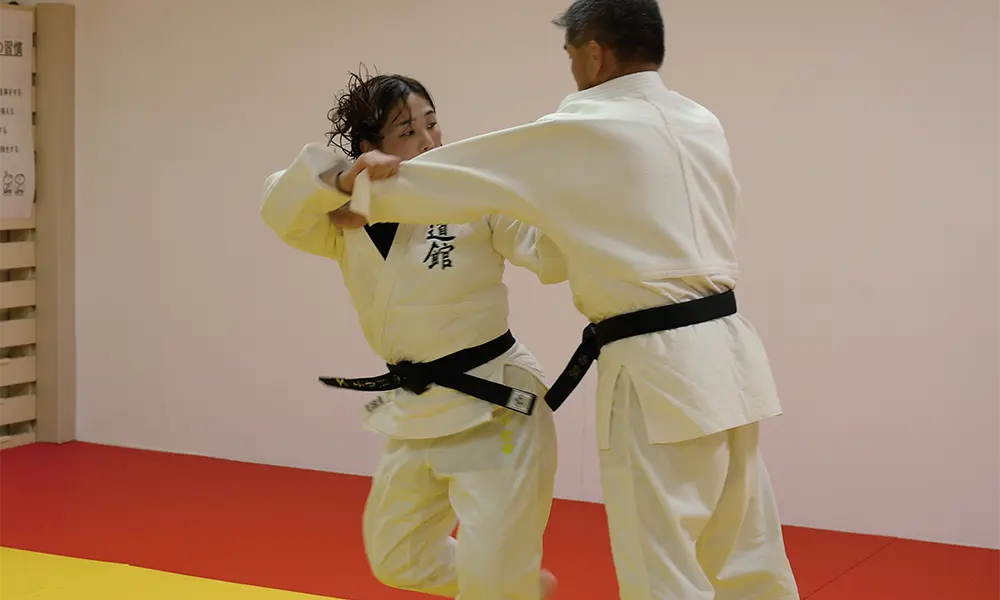
Mind, Technique, Body: The spirit of Budo spreading around the world
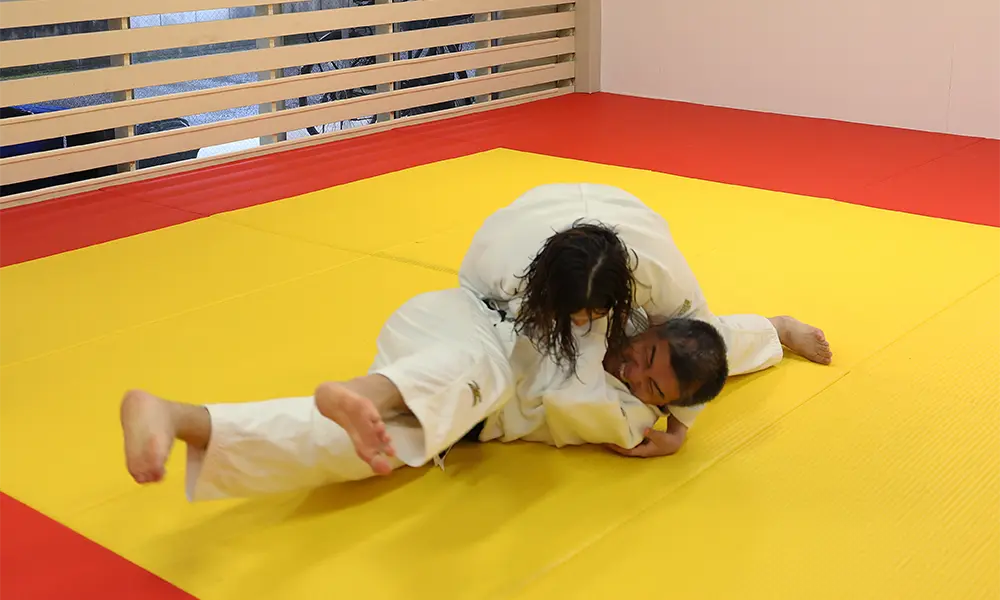
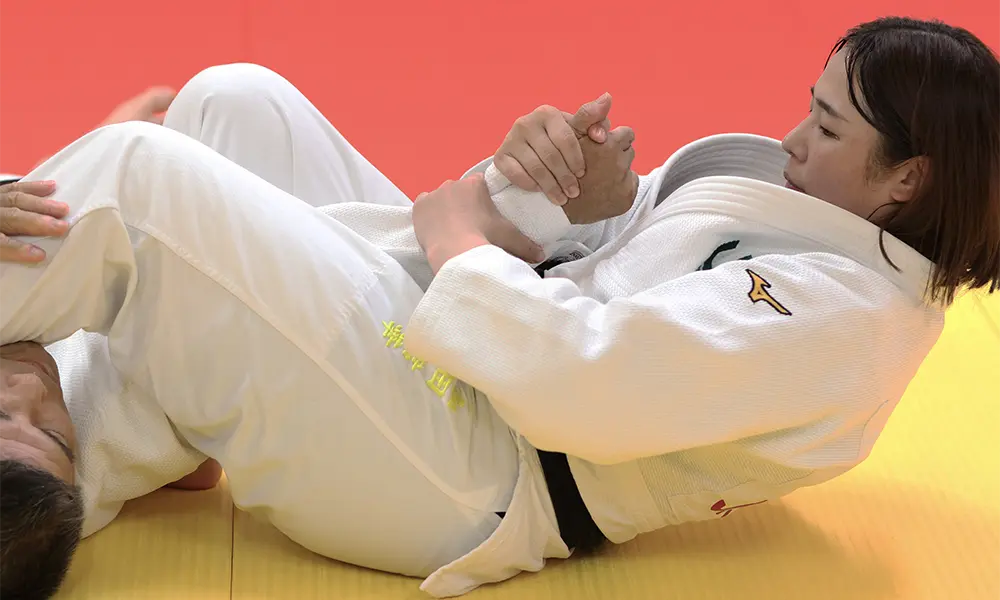
"Jujutsu" developed as one way of martial arts—the techniques used by samurai when fighting. Later in the 19th century (Meiji era), Jigoro Kano studied various schools of jujutsu and founded "judo." While "jujutsu" was used in warfare, "judo" is not a technique meant to injure people, but rather a martial art that allows people to train their bodies, hone their spirits, and improve one another through the practice of attack and defense. There were only nine students at the time of its founding (1882), but Mr. Kano actively promoted judo, not only in Japan, but also in Europe and the United States by personally visiting them. Judo subsequently developed as a sport, becoming an official men's event at the 1964 Tokyo Olympics, and women's judo becoming an official event at the 1992 Barcelona Games—judo is now popular all around the world. There are two main types of judo techniques: throwing techniques, which involve throwing an opponent, and grappling techniques, which involve holding an opponent down. A bout is judged as winning by a point when the opponent is knocked down on their back by a throwing technique, or they continue to hold down the opponent by applying a pinning technique. Etiquette is also one of the most important elements of judo, and with training, students acquire the basic spirit of "Rei ni Hajime, Rei ni Owaru" (start with a bow, end with a bow).
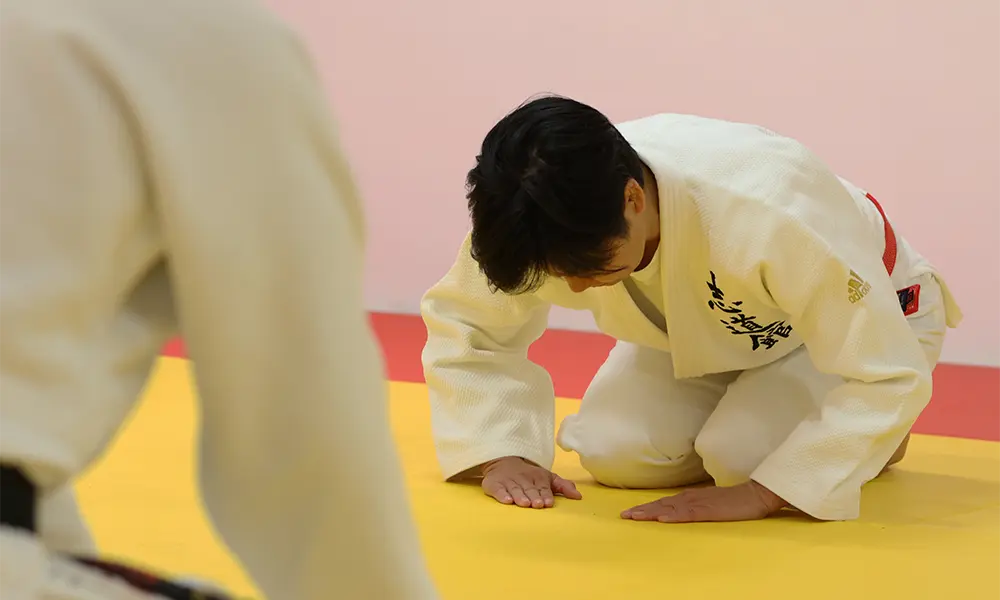
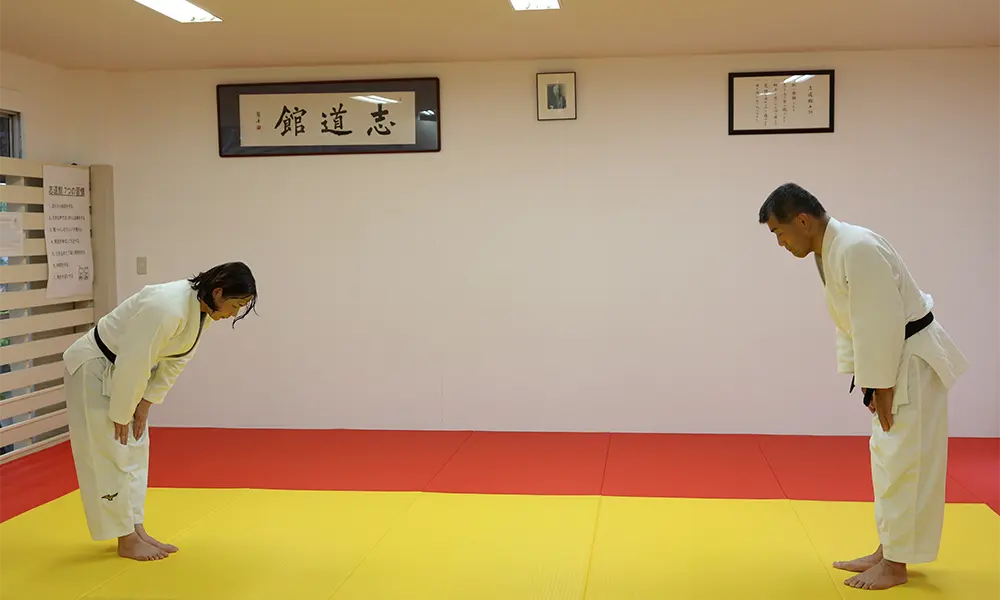
Learn the history and philosophy of judo, and experience falling safely and throwing
Bunbu-ichido-juku Shidokan, headed by Mayuko Bando, a 6th dan member of the Kodokan Judo Institute, a judo hall in the Yotsuya area of Tokyo where young children, elementary school students, and adults practice judo. An experience program for foreign visitors to Japan is available, with a choice of courses for either beginners or experienced judo practitioners, with English interpreters on hand. Judo wear can also be rented. Both of these courses are designed to answer questions like: "When did judo begin?" "What was the motivation of founder Jigoro Kano, and why did he found judo?" and other stories related to the history and spirituality of judo. After that, beginner participants are taught the throwing technique o-goshi (placing the opponent's body on one's hips and throwing forward by rotating the hips and using a fisherman's motion), and also practice how to fall safely (defending oneself when being thrown by an opponent).
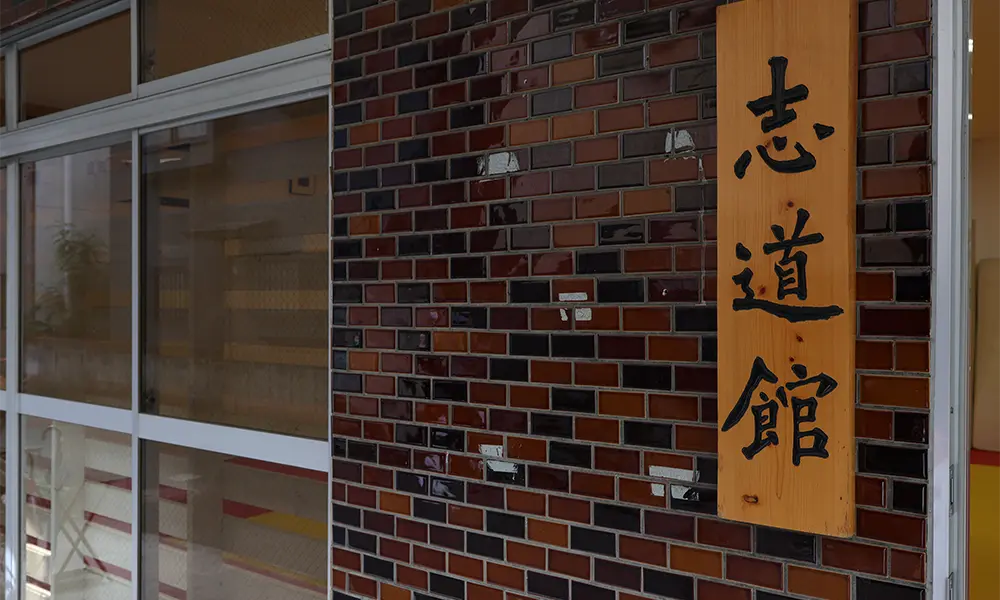
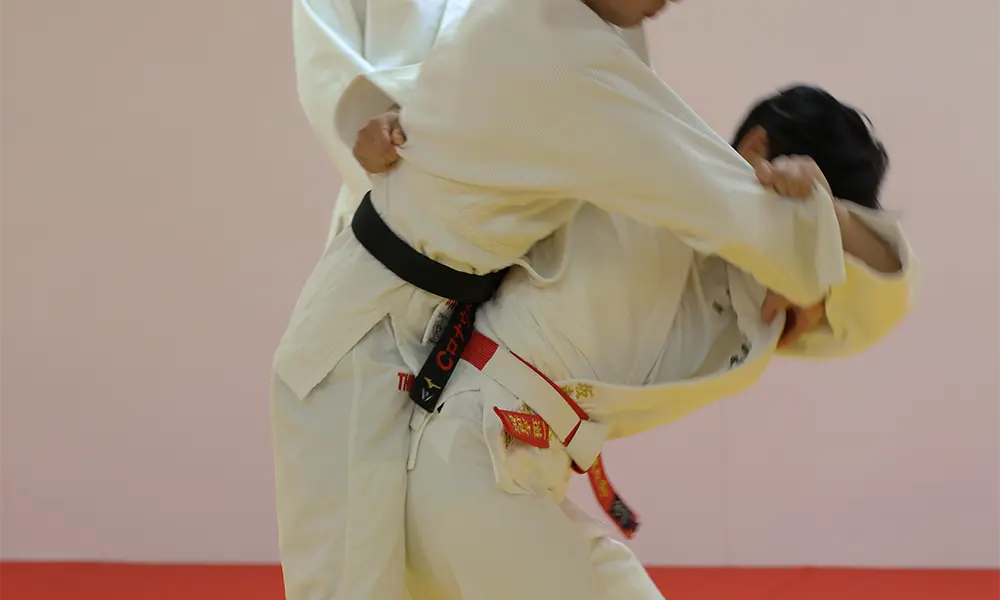
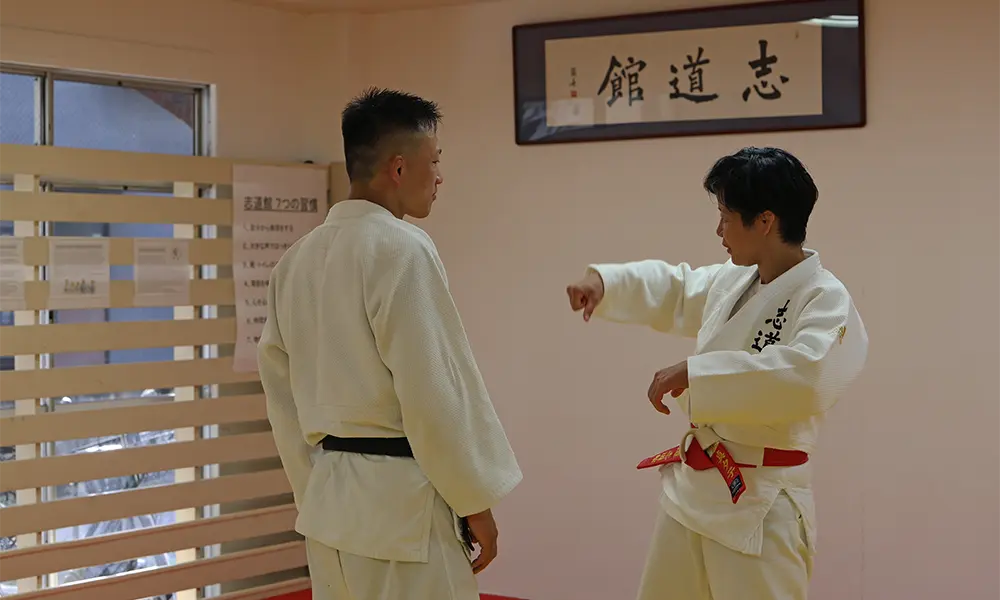
Experienced participants receive technical instruction tailored as best as possible to their needs, allowing them to further hone their skills and understanding of throwing techniques. They can learn from close--up demonstrations by instructor staff, making it easier to get the hang of techniques.
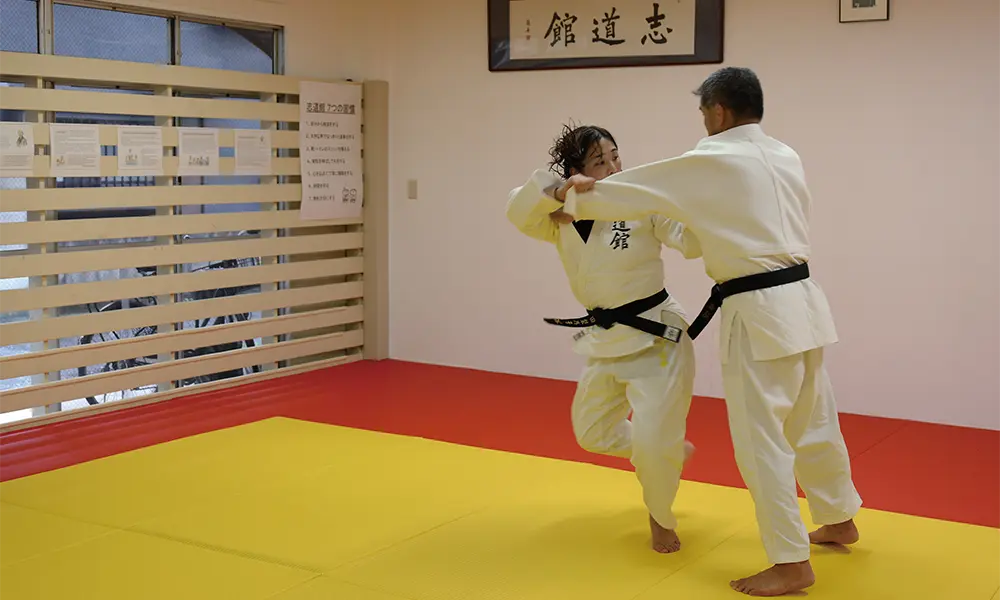
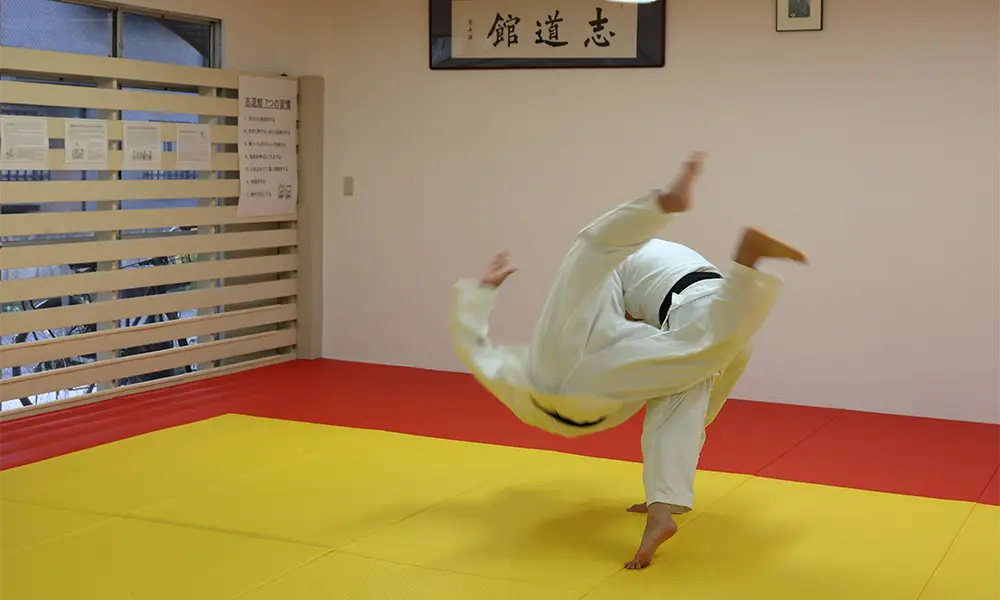
Judo has 68 techniques for throwing alone, as well as a variety of other techniques such as pinning and locking techniques. "Bunbu-ichido-juku Shidokan" provides careful instruction while respecting manners and rules so that students can enjoy judo in a safe manner.
Sightseeing & gourmet locations in the Yotsuya area of Tokyo
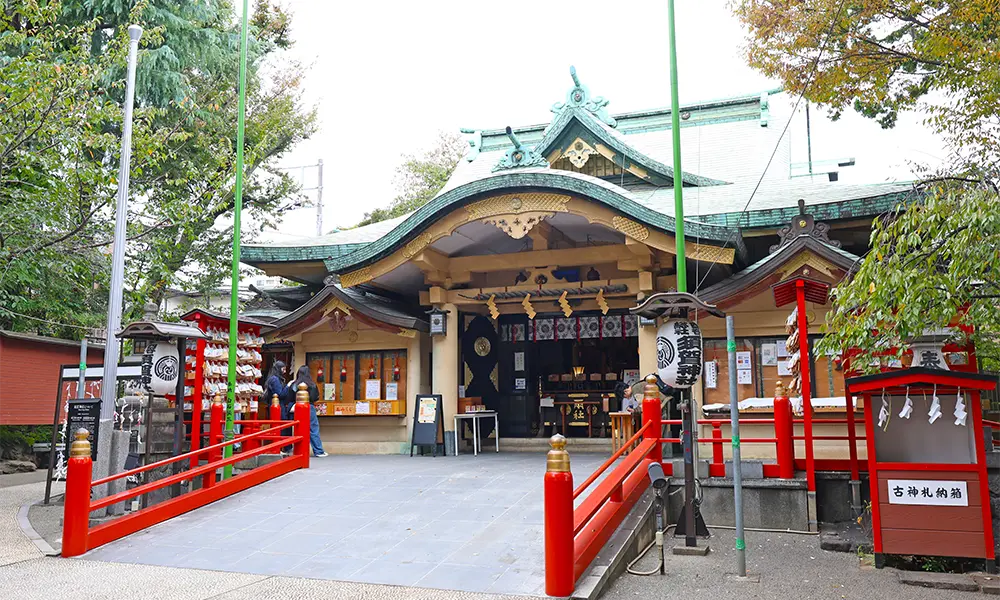
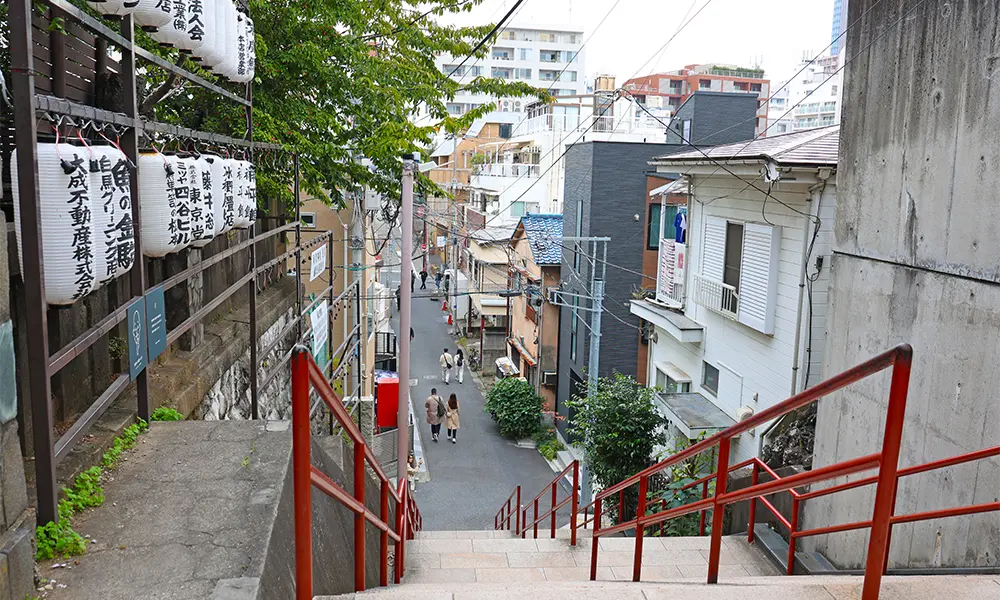
"Bunbu-ichido-juku Shidokan" is located in Yotsuya, an area steeped in history and culture that is dotted with numerous temples and shrines. Among them, "Suga Shrine" is considered the guardian of Yotsuya and has a history of about 400 years, and is located on a hill after climbing steep stone steps. The view of the city from the top of the stone steps is known as a scenic location, and draws many people from Japan and abroad.
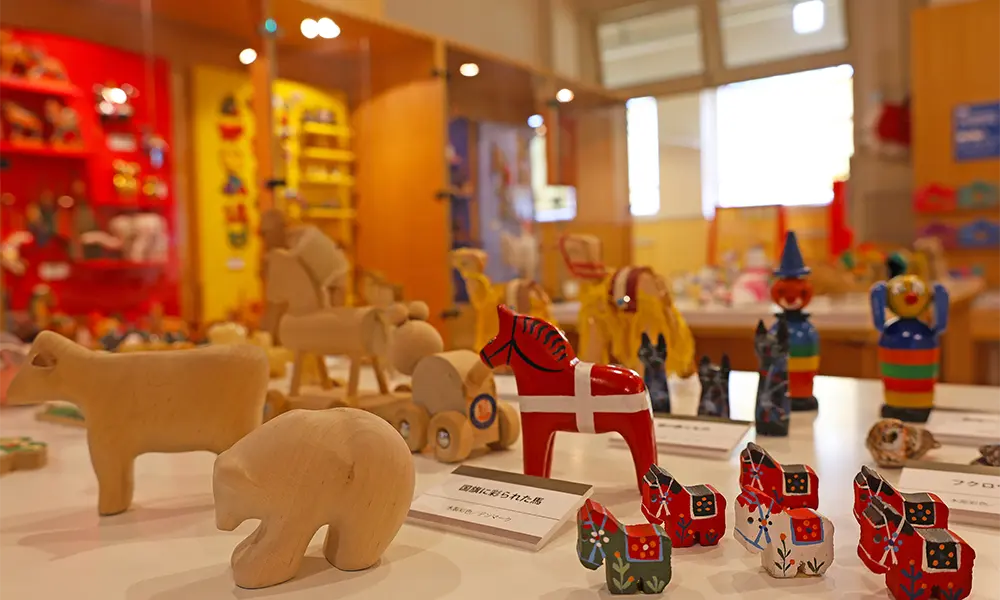
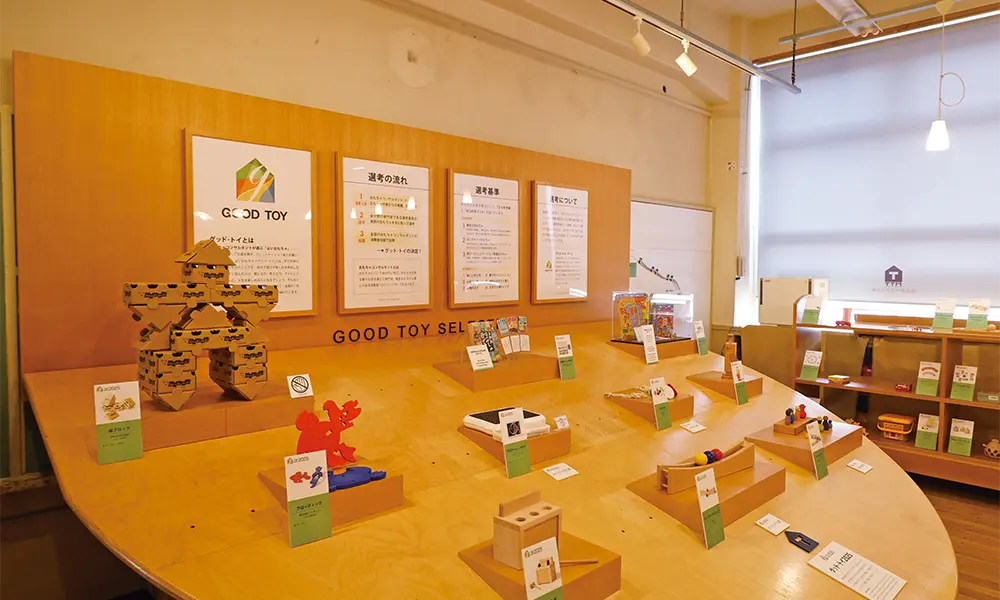
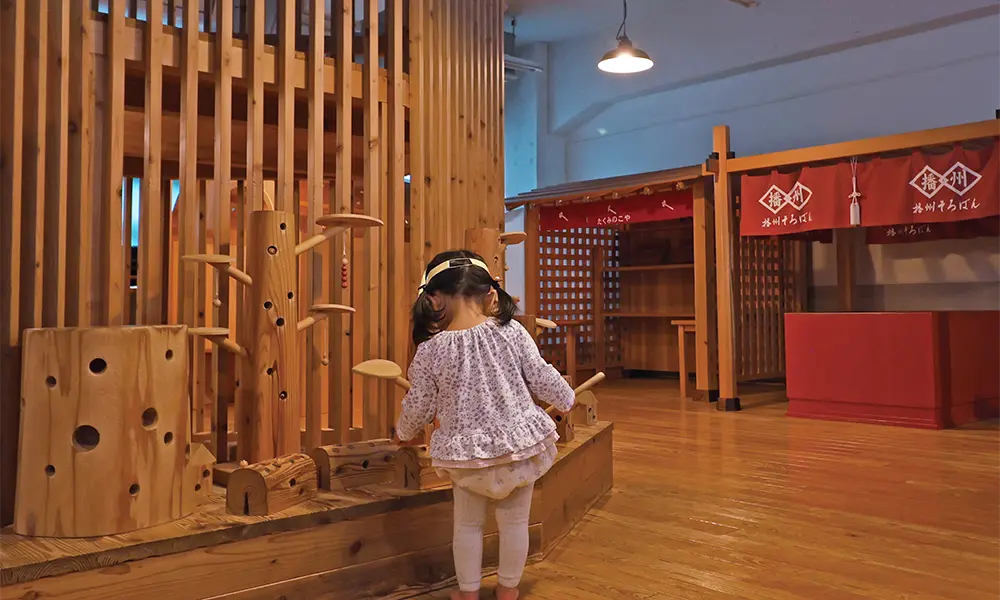
The "Tokyo Toy Museum" is a hands-on facility where children and adults can have fun playing with traditional Japanese toys and board games from around the world. There are many exhibition rooms, and in addition to the "Good Toys" exhibit selected by specialists with such games, the museum also runs special exhibitions displaying toys from various theme in the museum's collection of 100,000 items from 100 countries.
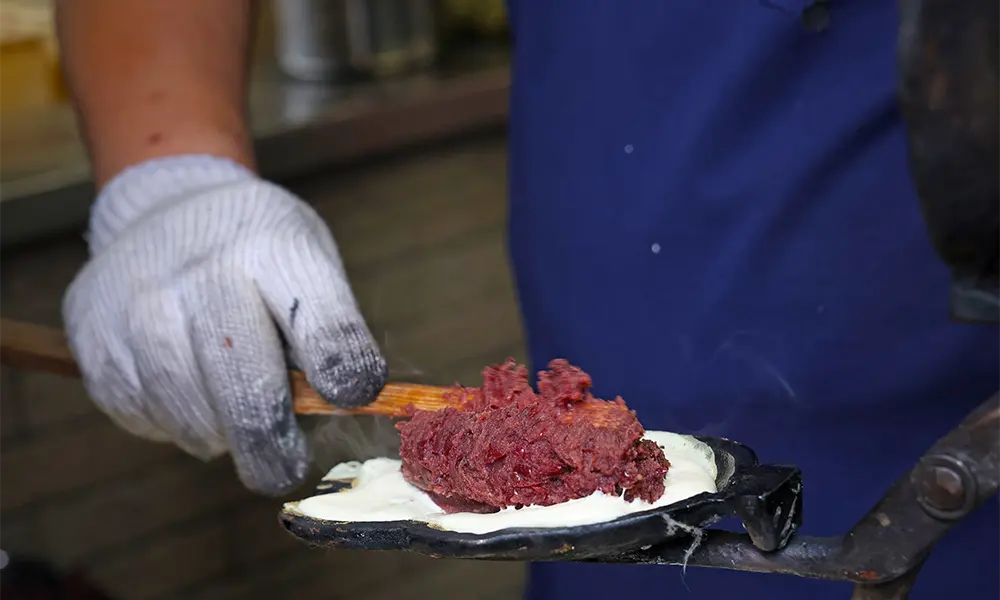
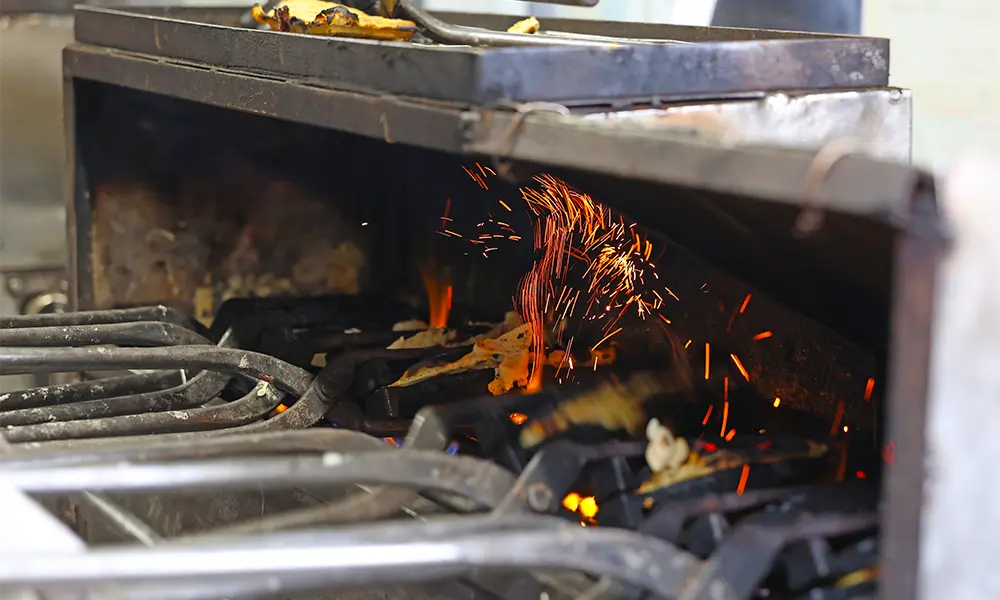
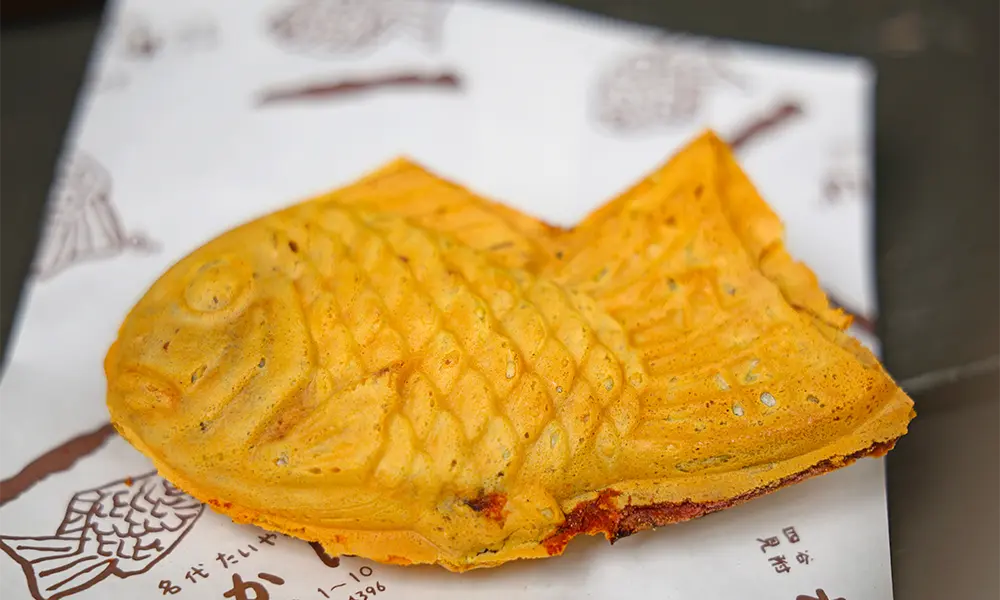
"Taiyaki Wakaba" in the Yotsuya area is one of Tokyo's best Taiyaki restaurants that was established in 1953. The thin dough is filled head-to-tail with salty homemade red bean paste. Each taiyaki is carefully hand-baked in an original iron mold, creating a crispy, savory texture.
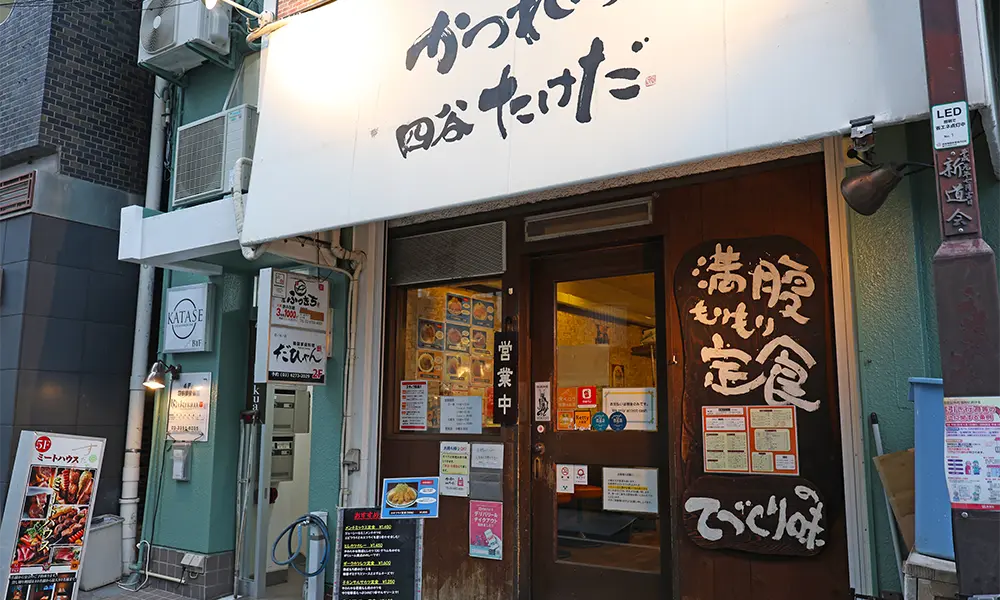
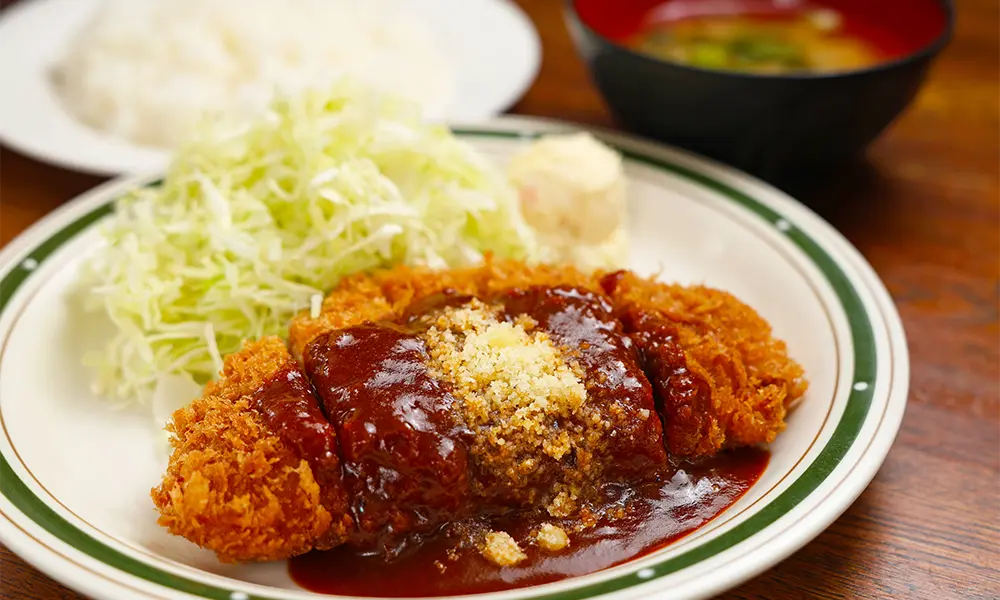
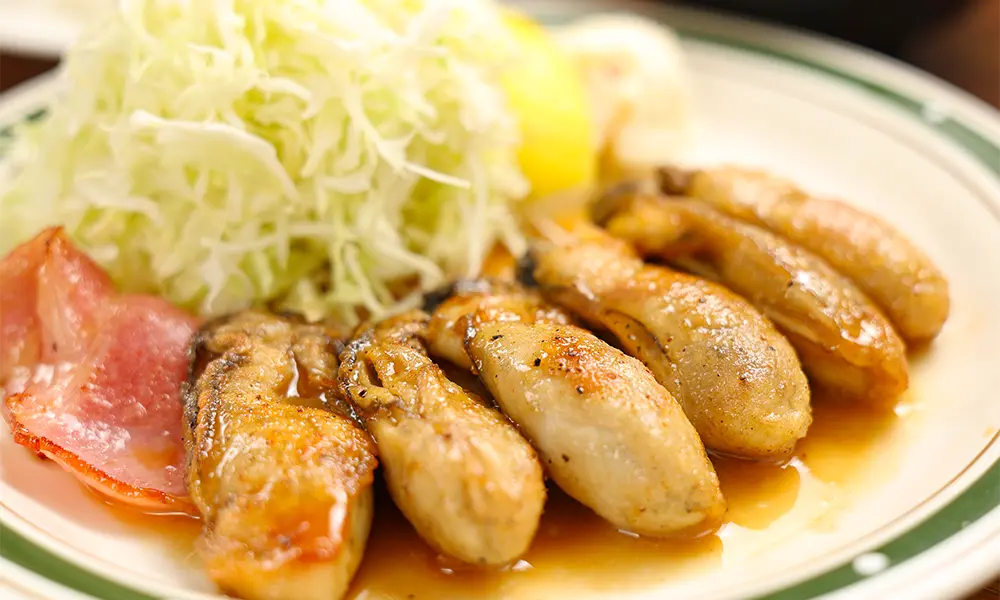
Another restaurant in Yotsuya that draws long lines of customers is the Western-style restaurant "Katsuretsu Yotsuya Takeda." The menu features many popular items—including the pork cutlet set meal with tender aged glutinous pork loin in a special demi-glace sauce—but the oyster butter roast set meal available only in winter is especially popular, with customers sometimes waiting several hours to get a taste. Large, plump oysters are cooked to perfection. They are sauteed in butter to produce an even richer flavor.